🌾 Orchard Grass & Alfalfa Mix
A Biology-First Fact Sheet (ByDesignSoil) (Kent Holle)
🌱 What This System Is (And Why It Works)
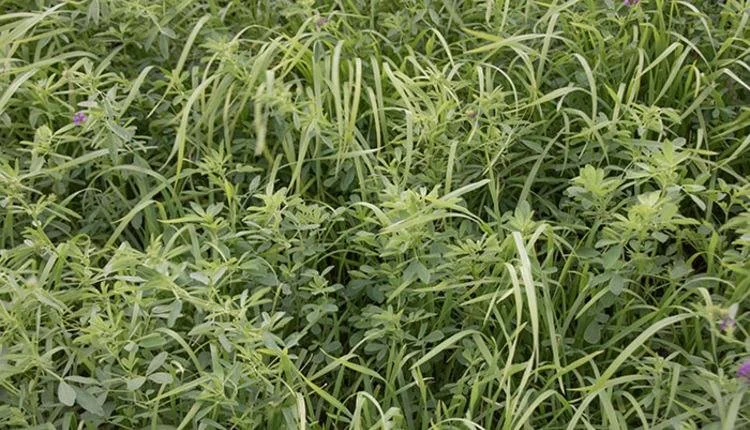
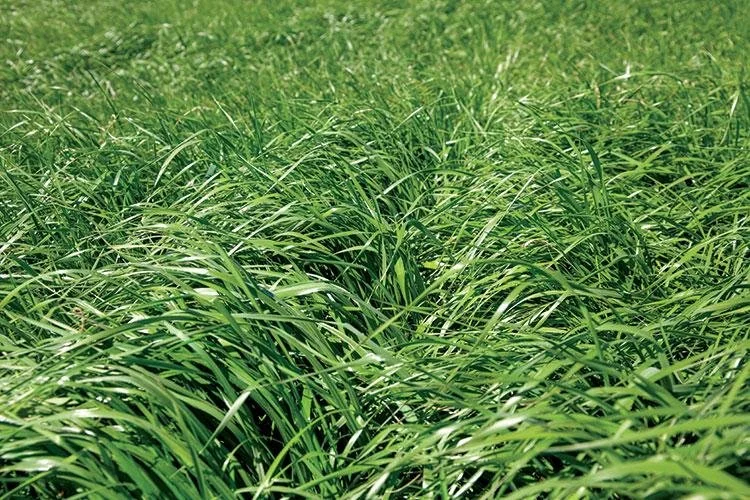
A well-balanced orchard grass and alfalfa mix is one of the most productive and resilient forage systems when soil biology is functioning properly.
Why it works:
Alfalfa fixes nitrogen (when biology is healthy)
Grass captures excess nutrients and stabilizes yield
Root diversity feeds a broader soil food web
Improves both yield and forage quality (RFQ)
🔬 What Healthy Soil Biology Does in This System
Converts organic nutrients into plant-available forms
Builds soil structure → better water infiltration
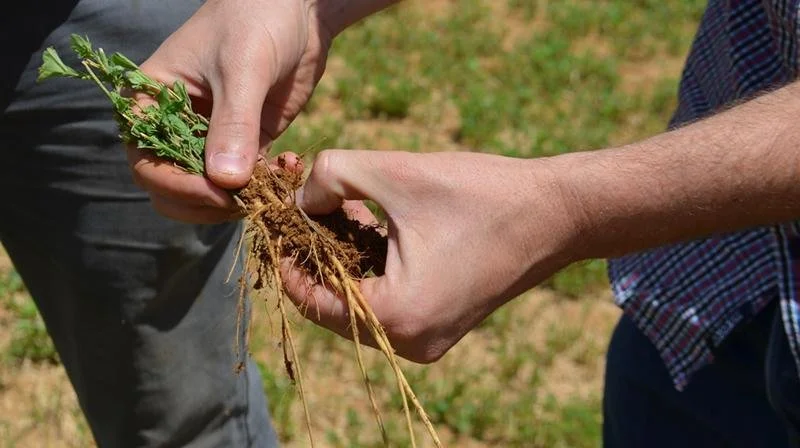
Supports nodulation in alfalfa (critical!)
Reduces need for synthetic nitrogen
Increases protein and digestibility in forage
⚠️ Common Problems
6
Alfalfa thinning out or disappearing
Lack of nodules on roots
Compaction (especially flood-irrigated fields)
Uneven water distribution
Over-reliance on nitrogen fertilizers
Low biological activity
🧠 The Biology Insight Most People Miss
If alfalfa is not nodulating, it is not fixing nitrogen—
and the entire system shifts toward dependency on inputs.
Healthy biology restores:
Rhizobium bacteria (nodulation)
Nutrient cycling
Natural system balance
🌿 Biology-First Improvement Strategy
1. Reduce Disturbance
Avoid excessive tillage
Minimize synthetic nitrogen inputs
2. Address Compaction
Deep-tine aeration (spring or fall)
Opens soil for biology and roots
3. Apply Biology
Compost
1–2 tons/acre (baseline improvement)
2–4+ tons/acre (accelerated transition)
Compost Extract
10–20 gallons/acre
Multiple applications per season if possible
4. Feed the Soil System
Maintain living roots as long as possible
Avoid bare soil
Support plant diversity where practical
🌾 What a Healthy System Looks Like
7
Thick, even stand of grass + alfalfa
Strong nodulation (pink/red inside nodules)
Deep root systems
Even water infiltration
High RFQ forage
Reduced input costs over time
📈 Expected Outcomes (With Proper Management)
Increased yield stability
Improved forage quality (RFQ)
Reduced fertilizer dependency
Better drought resilience
Long-term soil health improvement
🤝 ByDesignSoil Approach
We don’t just “grow hay.”
We help build a living soil system that:
Supports the crop
Reduces inputs
Increases profitability
Restores the land